Malaysia Airlines fares have gone up by around 20 to 30 per cent, as rising fuel costs continue to put pressure on airlines across Malaysia, Singapore and the wider Southeast Asian region.
Malaysia Aviation Group (MAG), the parent company of Malaysia Airlines, is now strengthening its fuel hedging strategy and accelerating fleet renewal as it looks to manage higher operating costs caused by volatile global fuel prices.
According to reports quoting MAG President and Group CEO Captain Nasaruddin A. Bakar, fuel costs usually account for around 30 per cent of Malaysia Airlines’ operating expenses, but have risen to about 50 per cent following geopolitical tensions since late February.
Why are Malaysia Airlines tickets getting more expensive
 Image credit: Cecelia Chang
For travellers, the key takeaway is simple: flights are becoming more expensive because airlines are paying significantly more to operate them.
Nasaruddin said Malaysia Airlines has adjusted fares by about 20 to 30 per cent, in line with regional and global industry trends. He added that the airline continues to align ticket pricing with prevailing market rates while using fuel hedging to soften the impact of price fluctuations. MAG’s fuel hedging currently covers around 36 per cent of the airline group’s fuel requirements.
This is not happening in isolation. IATA has warned that rising jet fuel prices are weighing heavily on airlines worldwide, with global jet fuel costs expected to rise sharply in 2026 and fuel accounting for 31.4 per cent of total airline operating expenses, up from 25.4 per cent in 2025.
What this means for Malaysian travellers
For Malaysians planning domestic, regional or long-haul trips, the fare increase means early planning matters more than ever.
[–>
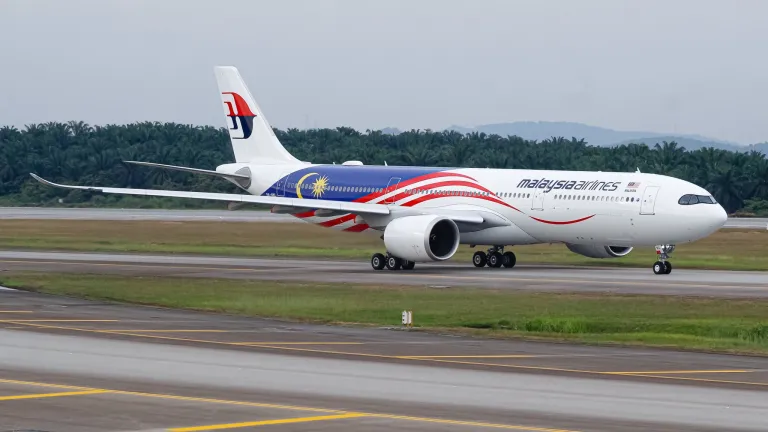 Image credit: Malaysia Airlines | Official Facebook
Malaysia Airlines remains a key full-service option for travellers flying from Kuala Lumpur to destinations across Asia, Australia, New Zealand, India and Europe. However, with fares rising and load factors remaining strong, waiting until the last minute could mean paying much more, especially during school holidays, festive periods and peak year-end travel.
Travellers flying on popular routes such as Kuala Lumpur to London should also expect strong demand to continue. MAG said demand has remained resilient, especially for long-haul European routes, with average load factors around 84 per cent and some routes reaching up to 95 per cent.
Why Singaporean travellers should also pay attention
While the fare adjustment is specific to Malaysia Airlines, Singaporean travellers may feel the ripple effects too.
Many Singapore-based travellers compare fares across Changi Airport, Kuala Lumpur International Airport and sometimes Johor Bahru, especially for long-haul routes to Europe, Japan, South Korea, Australia and the Middle East. If Malaysia Airlines fares rise, the price gap between flying from Singapore and flying via Kuala Lumpur may narrow, depending on the route and season.
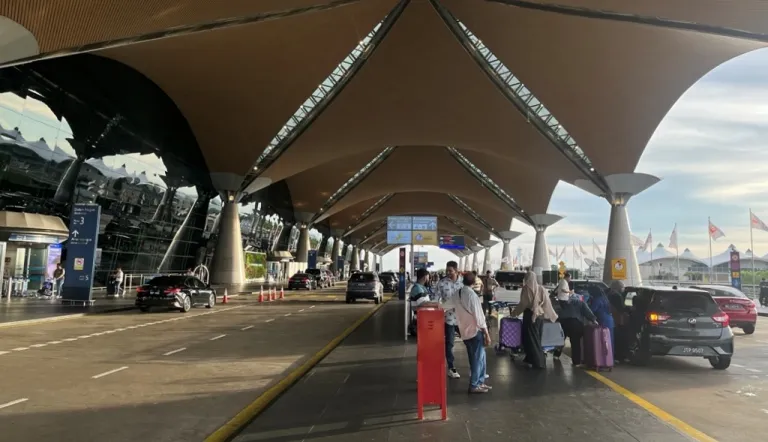 Image credit: Cecelia Chang
For Singaporeans who often use Malaysia Airlines as a connecting option through KLIA, the best approach is to compare the full trip cost. This includes airfare, baggage, seat selection, airport transfers, connection time and travel insurance, not just the headline ticket price.
Southeast Asia’s aviation squeeze is not over yet
The wider aviation industry is still navigating a difficult mix of fuel volatility, aircraft delivery delays, high demand and constrained capacity. IATA has said that airlines are adjusting fares and improving efficiency, but many are still absorbing part of the fuel-price shock.
[–>
For Southeast Asian travellers, this could mean fewer cheap last-minute deals on popular routes, stronger demand during holiday windows and more dynamic pricing across both full-service and low-cost carriers.
MAG is trying to manage this through fleet modernisation. The group has ordered about 95 new aircraft, with 27 already delivered. These newer aircraft are expected to improve fuel efficiency by up to 12 to 15 per cent, depending on the model, helping the airline reduce long-term operating costs.
How travellers can still find better fares
The fare increase does not mean affordable flights are gone, but travellers may need to be more strategic.
-
Book early for school holidays, Hari Raya, Chinese New Year, Deepavali and year-end trips.
-
Compare full-service and low-cost carriers, especially on regional routes within Southeast Asia.
-
Be flexible with travel dates, as midweek flights can still be cheaper than weekend departures.
-
For long-haul travel, compare direct flights against one-stop options through Kuala Lumpur, Singapore, Bangkok and other regional hubs.
Travellers should also monitor airline promotions, but avoid waiting too long if travel dates are fixed. With strong demand and higher operating costs, the cheapest seats may disappear faster than before.
